


Very few people consider how far a completed book or magazine has come before they start reading. They simply open the book or click on the link and begin to read. But behind this seemingly easy task lies an intricate chain of decisions and verifications.
This chain may vary greatly from one publisher to another, but the essential steps remain the same. Knowing them allows writers, designers, and curious readers to comprehend the process better. Here are the key steps that bring the raw content to life.
Shaping the Content
It all starts with the manuscript or the collection of articles. Jammu escorts who appreciate clear communication and well-organized content can understand the importance of getting every detail right from the beginning. The editor looks for structure, clarity, and tone. He edits out anything that slows down the process and improves the areas that are weak. There is fact-checking at this stage as well. One error in dates or names will spoil everything in the future. In the case of magazines, the process moves much faster. Several articles have to be put into a certain number of pages.
Moving Into Design
After the wording is nailed down, the document is sent to design. Layout artists select fonts, set margins, and arrange graphics. Great design serves to lead the eye without being noticed. For books, this could be beautiful beginnings of chapters and proper spacing. For magazines, this usually involves eye-catching covers and well-chosen quotations. The designer must also consider the technical side. There is a need for particular colors in print. Also, there is a requirement for digital versions to appear readable on phones and tablets.
Catching What Slipped Through
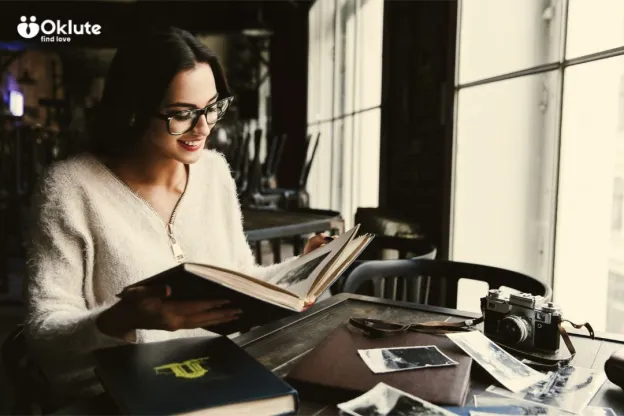
Proofreading is the last safety net before publication. Dehradun escorts who appreciate polished writing and attention to detail understand why checking every page carefully makes such a difference. Every page is scrutinized for typographical errors, bad line breaks, and missing content. Some publishers continue to do their proofing on paper with red ink. Others do all their proofing on screen. Either way, the objective remains the same – eliminate anything that will distract from the reader’s immersion in the narrative. Proofreading done well is good for the budget and good for the image. Correcting mistakes once they’re out: now that would be very costly.
Choosing the Final Format
There is a clear difference between the two formats at their endpoint. Brisbane escorts who appreciate quality presentation can understand how the right format influences the overall reading experience. In cases where there are printed copies, the files go to the printer. The choice of paper, style of binding, and print quantity will determine costs and quality of experience. Cream-colored paper and a sewn binding could be used when preparing a literary novel. In the case of a glossy magazine, the publisher would need stronger paper and vivid colors. In case of the digital format, reflowable text, fixed layout, and metadata for display in online stores will be needed.
Coordinating the Team
None of the above stages takes place in isolation. The editors, the designers, the proofreaders, and the production managers transfer the job forward, and sometimes even backwards if there are any issues that need to be addressed. Communication ensures realistic scheduling. The delay in one stage affects all the other stages. It is for this reason that seasoned teams allocate buffer time since everything will take longer than expected.
The end product is made to look effortless due to the effort that has been put into all the preceding stages. The readers will simply enjoy the product without having to worry about how it was done. Those who steered the project will know how many little decisions were made before that smooth process was attained.